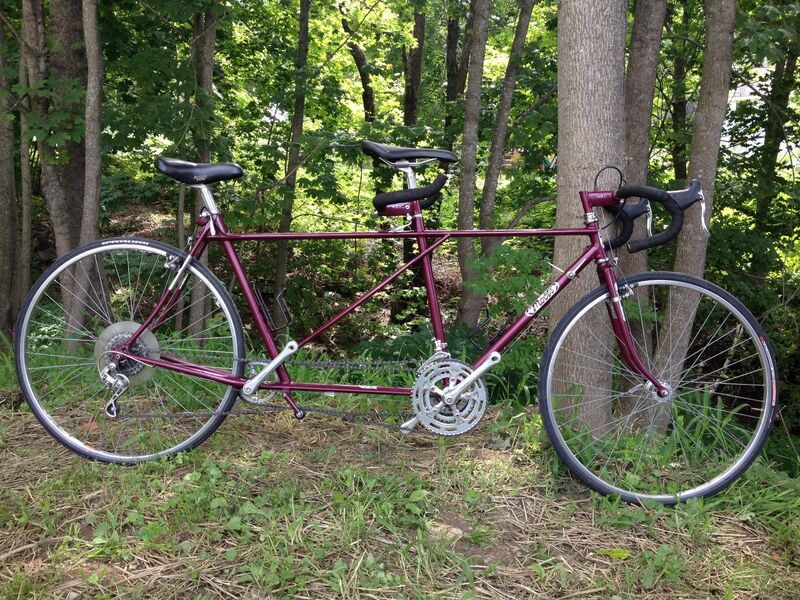
Road tandems
Drop bars, narrower tyres and a stiff frame. On the flat a well-matched pair is quick — two engines, the wind resistance of roughly one. On climbs you’re shifting two riders’ weight, so gearing matters.
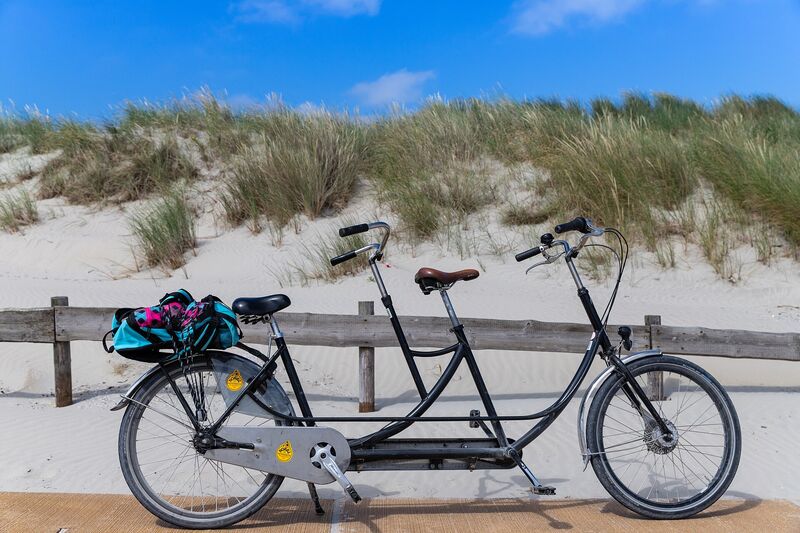
The Tandem Guide
A tandem lets a stronger and a less confident rider travel at the same speed, talk the whole way, and arrive together. Here’s how to choose one — and how to ride it without falling out.
The two jobs
Every tandem has two very different seats. Who sits where matters more than anything else you buy.
Steers, brakes, changes gear and reads the road. Usually the heavier or more experienced rider, because they have to hold the bike upright at a standstill with a passenger on board.
Supplies power, balance and trust — and has a better view than you’d think. The stoker can’t see the road ahead, so the captain’s job is to describe it. Stokers are free to take photos, read the map and eat the sandwiches.
On most tandems the two sets of cranks are linked by a “timing chain”, so both riders pedal at the same cadence. Nobody freewheels while the other pedals — which is the whole point, and also the first thing you’ll need to talk about.
Which kind?
The same split you’d find in solo bikes, with a few twists of its own.
Drop bars, narrower tyres and a stiff frame. On the flat a well-matched pair is quick — two engines, the wind resistance of roughly one. On climbs you’re shifting two riders’ weight, so gearing matters.
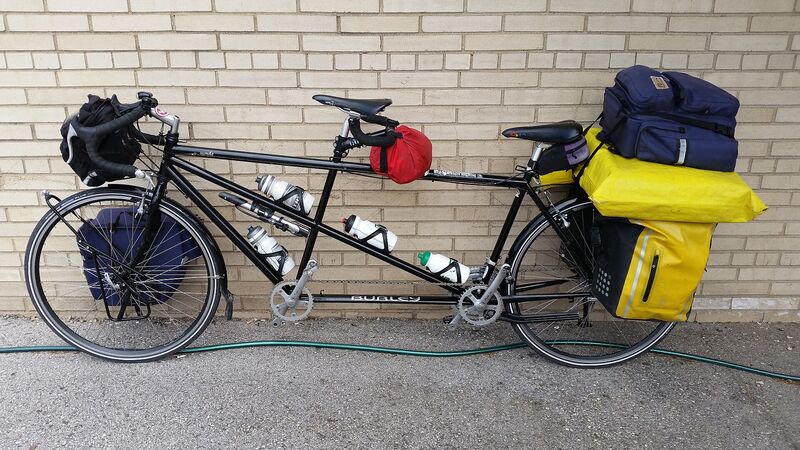
Built to carry two people and their luggage for days. Look for strong wheels, wide tyres, rack mounts front and rear, and brakes rated for long loaded descents.
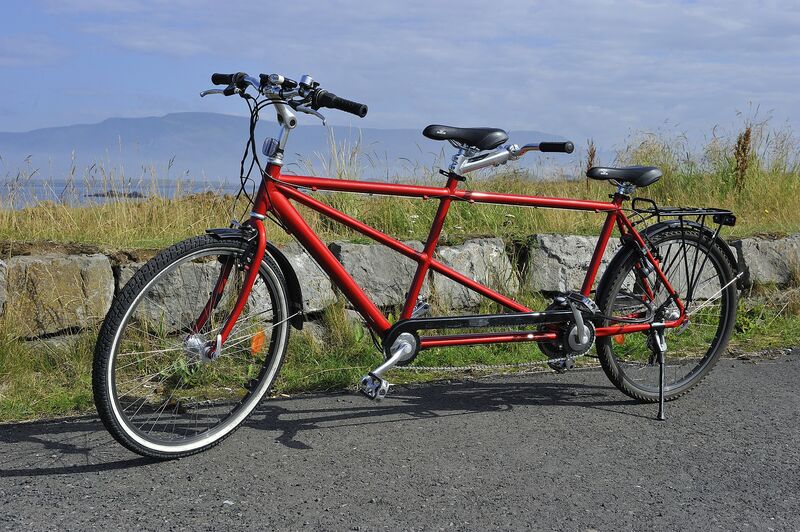
Upright flat-bar tandems for towpaths, holidays and family rides. The friendliest place to start, and often what hire shops have.
Before you buy
A tandem carries twice the load of a solo bike through the same size of parts. These are the things to ask about first.
Staying friends
The stoker can’t see what’s coming, so a good captain talks. Agree your calls before the first ride — these are the usual ones.
CoastingStop pedalling — we’re freewheeling.
BumpRough road ahead: lift off the saddle slightly.
ChangingEase the pressure for a gear change.
StoppingBraking to a halt — captain’s foot goes down first.
StandingBoth riders out of the saddle, together.
To set off, the captain straddles the bike and holds it steady with both brakes on; the stoker climbs on and clips in; then the captain puts their pedal at the top of its stroke and you push off together.
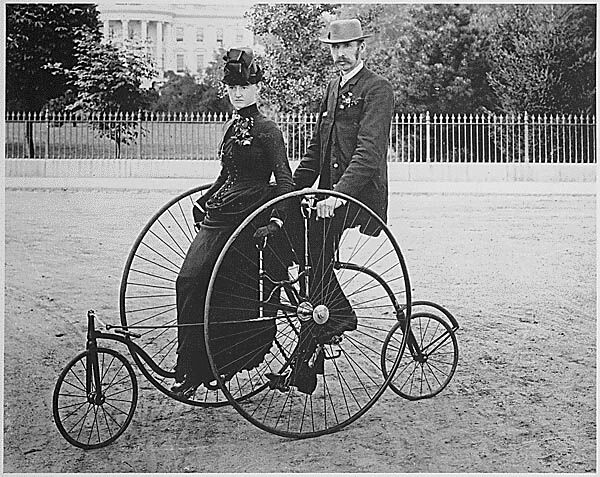
A little history
The idea of two riders on one machine is almost as old as cycling. Victorian makers built side-by-side “sociables” and two-seat tricycles alongside the high-wheelers, and by the 1890s the tandem was popular enough to have its own hit song — “Daisy Bell”, with its famous line about “a bicycle built for two”.
The appeal hasn’t changed in a hundred and thirty years. A tandem is the one bike where the slower rider never gets left behind.
Checked every night
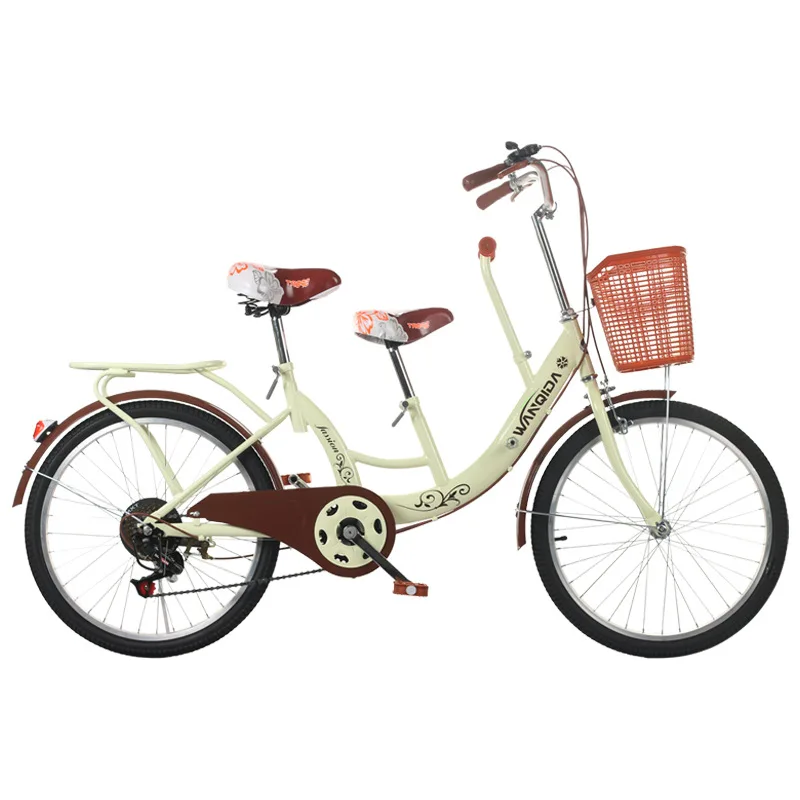
None of the UK bike shops we work with stocks a tandem right now, so these come from independent sellers on AliExpress. They’re generic, factory-made machines rather than the specialist tandems in the guide above — check each seller’s rating, delivery time and returns before buying. How we check marketplace listings.
Marketplace seller
Price £335.58
30 Oct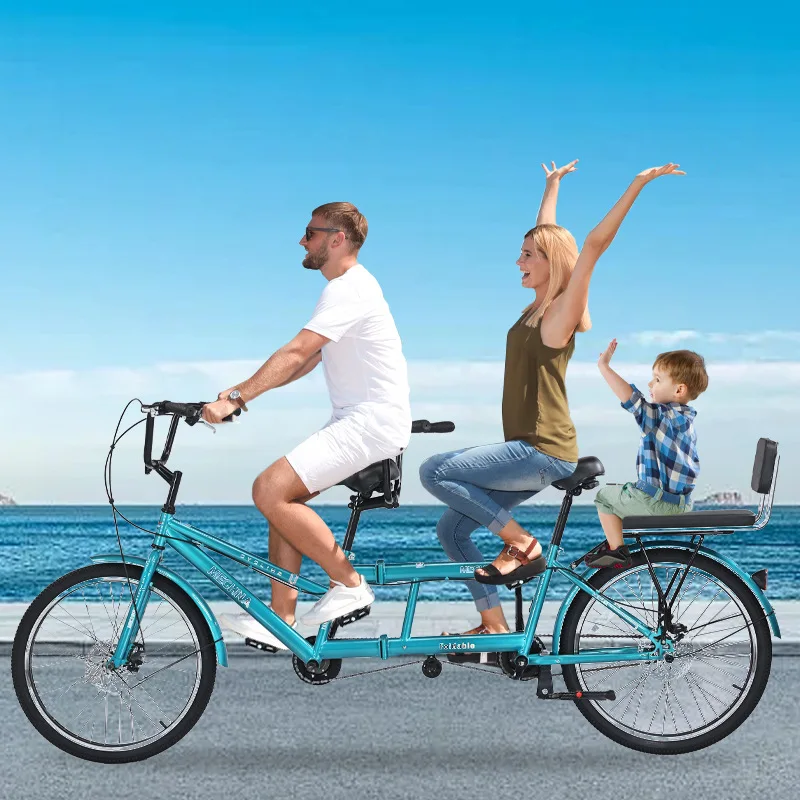
Marketplace seller
Price £442.79
30 Oct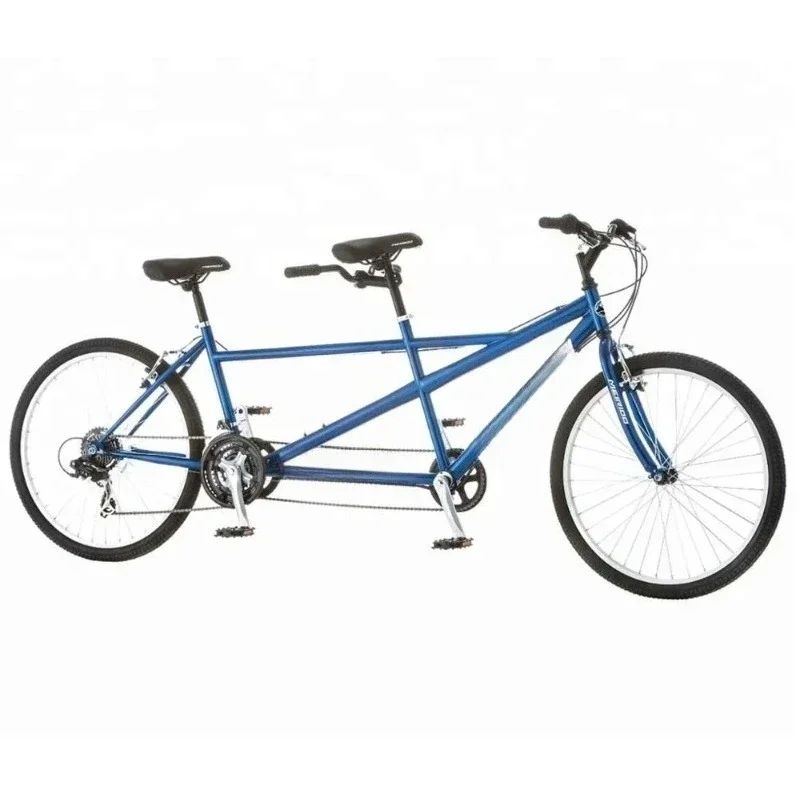

Marketplace seller
Price £637.18
30 Oct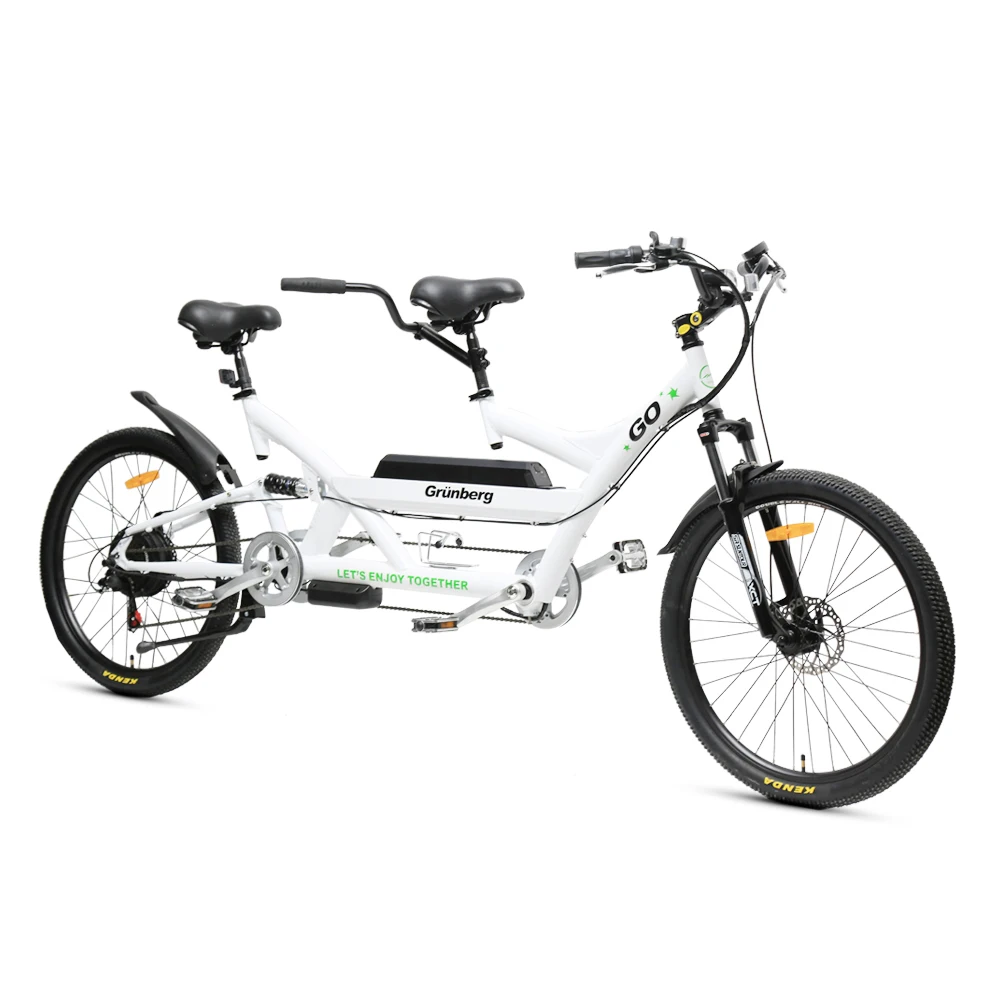
Marketplace seller
Price £1,255.39
30 Oct
Marketplace seller
Price £1,339.20
30 Oct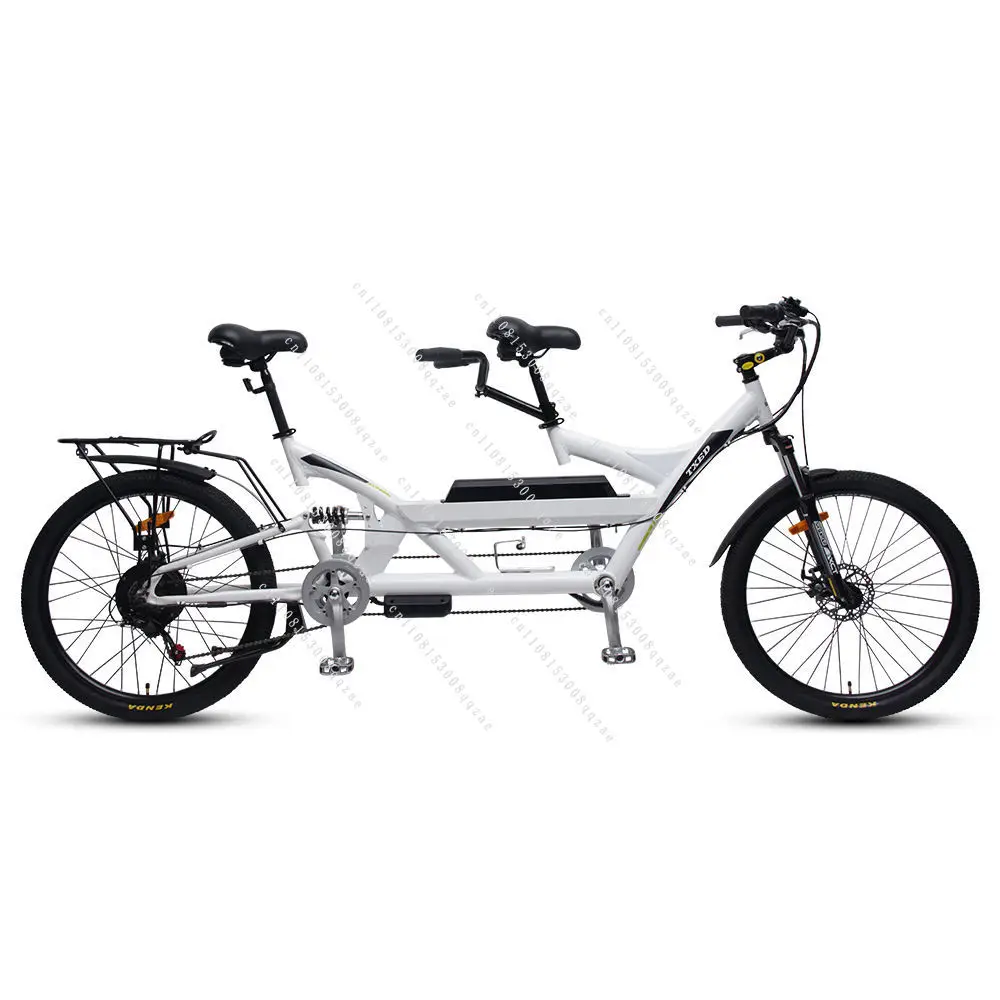
Marketplace seller
Price £1,582.94
30 Oct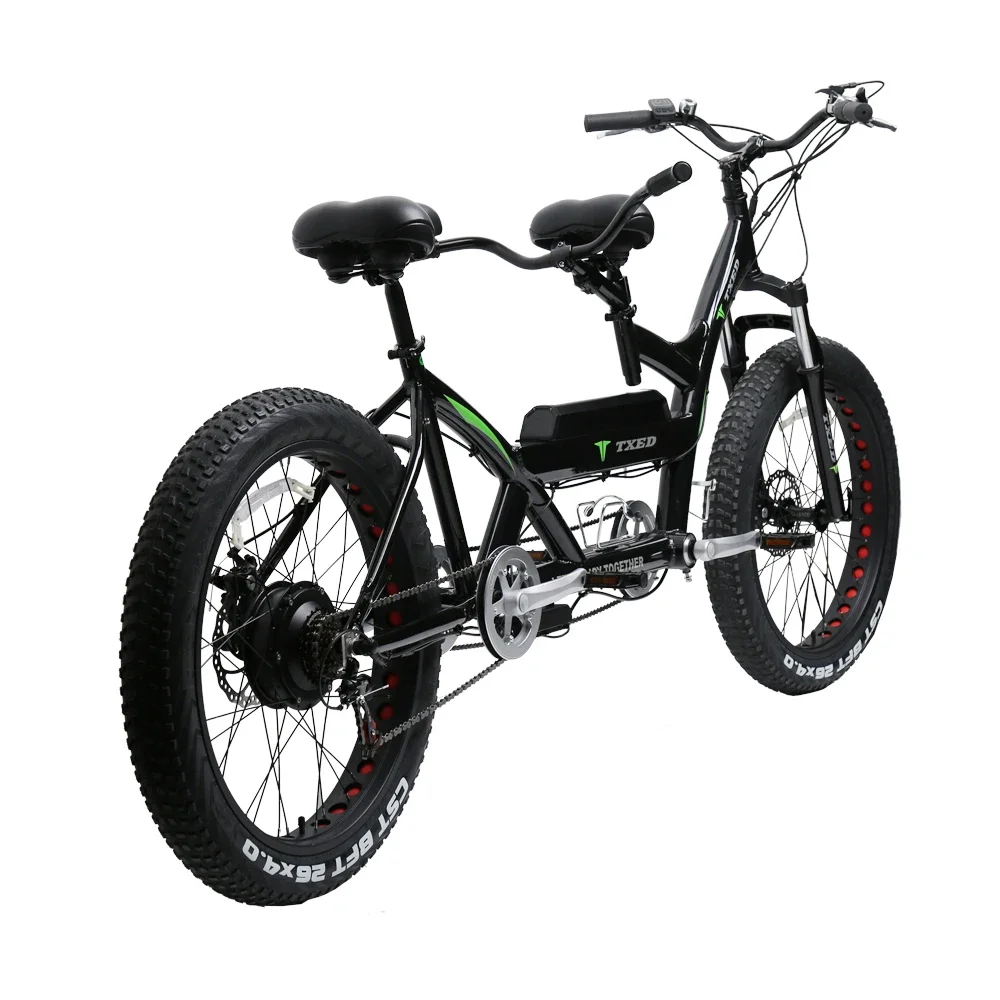
Marketplace seller
Price £2,114.39
30 Oct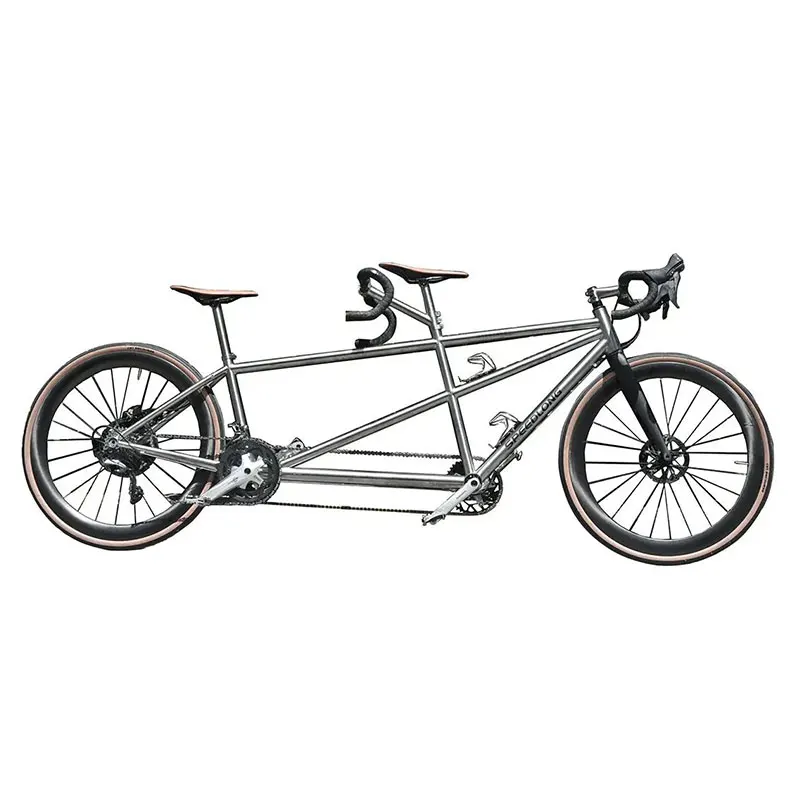
Marketplace seller
Price £3,036.59
30 Oct