Riding together
Captain and stoker: who does what on a tandem
The front rider steers and talks. The back rider pedals and trusts. Here is what each job involves, and how to get through your first ride as a pair.
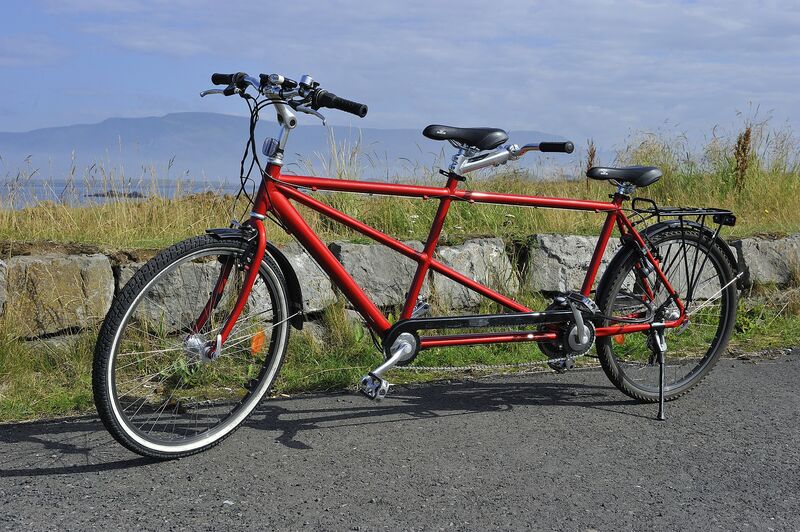
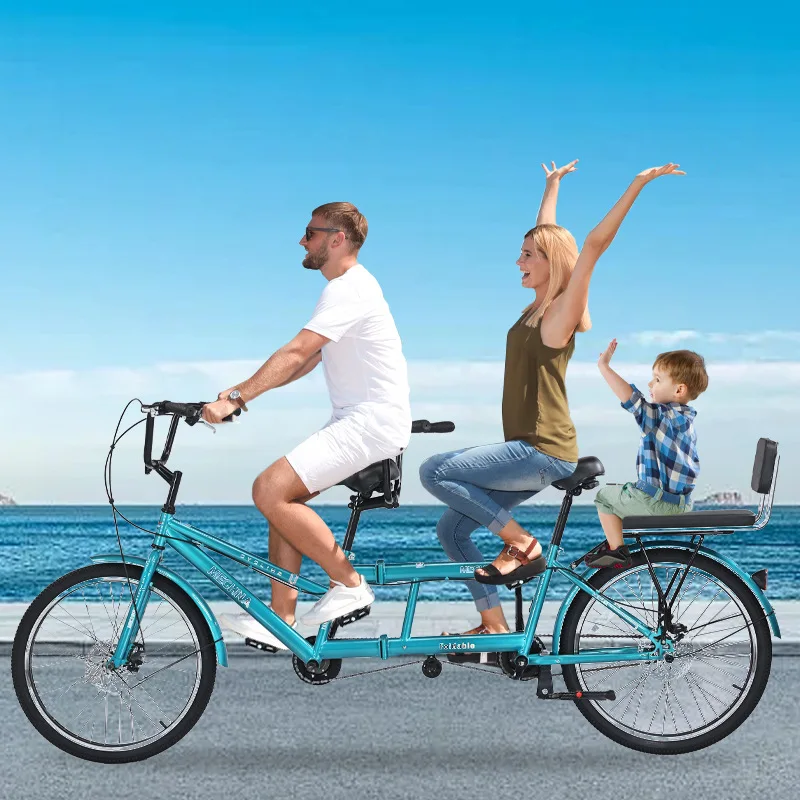
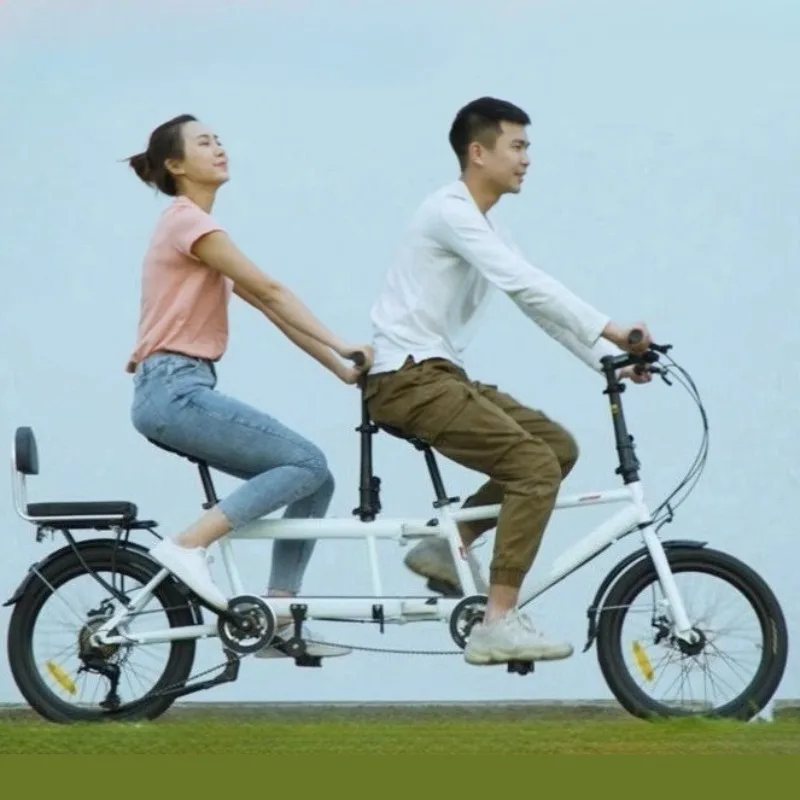
Every tandem has a front rider and a back rider, and they are not doing the same job. The front rider is the captain (some people say pilot). The back rider is the stoker. Getting on with a tandem is mostly a matter of each rider knowing their own job and trusting the other to do theirs.
What the captain does
The captain steers, brakes, changes gear and picks the line through corners and around potholes. On a standard tandem every control is at the front, so the captain makes every decision that involves the road.
The captain also holds the bike up. At a junction it is the captain who puts a foot down and steadies the tandem while the stoker keeps both feet on the pedals. That is why the heavier or more experienced rider usually goes in front: supporting a tandem with a passenger on board takes some strength and a wide stance.
The third job is commentary. The stoker cannot see past the captain’s back, so anything that changes how the bike moves needs saying out loud before it happens.
What the stoker does
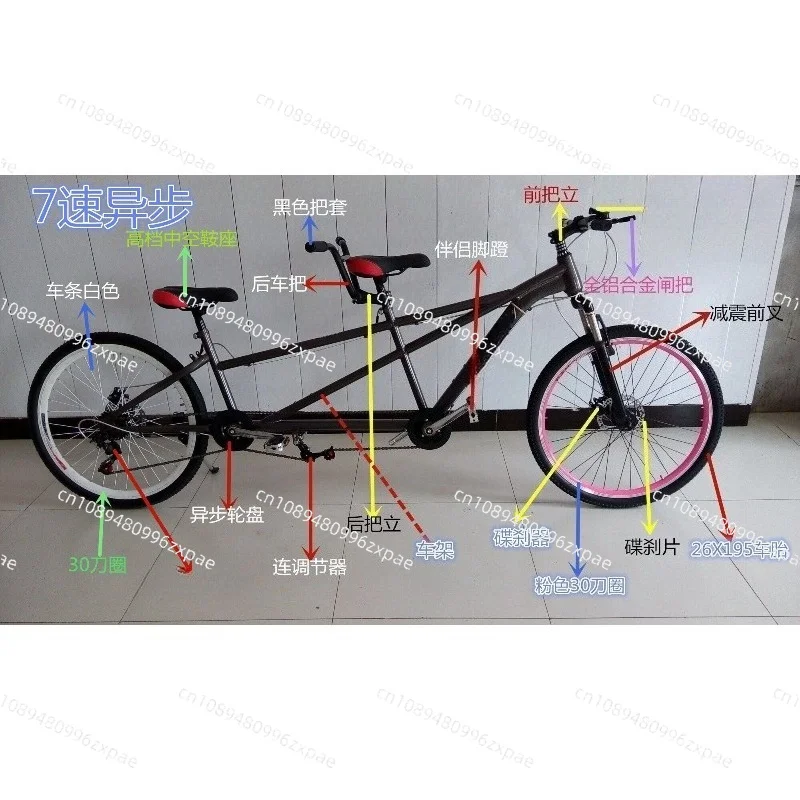
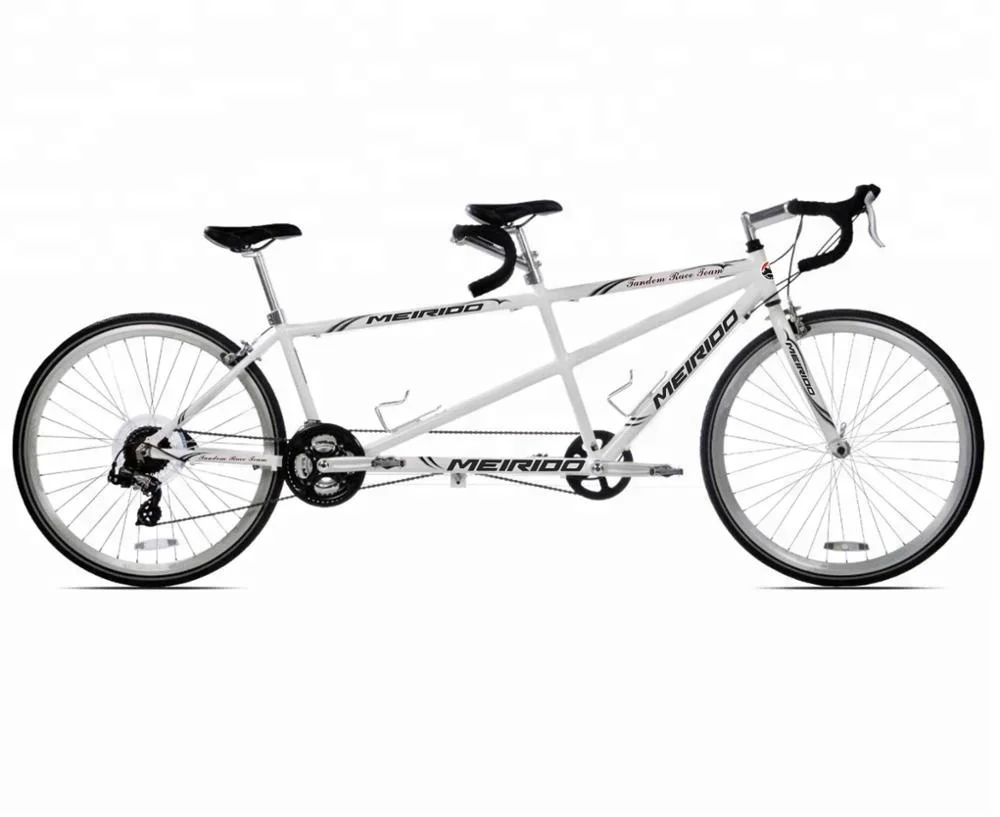
The stoker pedals, and on a climb a strong stoker is worth a great deal. On most tandems the two sets of cranks are joined by a timing chain, so both riders turn the pedals at the same speed whether they like it or not.
The stoker’s handlebars are there to hold on to. They are usually clamped to the captain’s seatpost and do not steer anything. The stoker’s main contribution to handling is to sit still: keep your weight centred, lean with the bike rather than against it, and avoid sudden shifts in the saddle. A stoker who leans out to look round the captain can pull the whole bike off line.
A good stoker does plenty more. They can give hand signals so the captain keeps both hands on the bars, look over a shoulder and report what is coming up behind, read the map, hand food forward and keep an eye on the rest of the group.
Who should sit where?
There is no rule. The usual starting point is the bigger, more confident rider as captain, because of the holding-up job and because the front half of the frame is normally the larger one. Many tandems only fit a given pair one way round, so try both seats before you decide.
If the frame allows it, swap now and then. A captain who has spent an hour on the back, unable to see the bumps coming, gives much better commentary afterwards.
Starting and stopping
Most pairs settle into the same routine:
- The captain gets on first, stands astride the top tube with both feet flat on the ground and holds both brakes on.
- The stoker climbs on, sits down and puts both feet on the pedals.
- The stoker turns the cranks backwards until the captain’s starting pedal is where the captain wants it.
- The captain asks “ready?”, the stoker answers, and you both push down together. The captain’s other foot finds its pedal once the bike is rolling.
Stopping is the reverse. The captain calls it, brakes smoothly and puts a foot down. The stoker stays put, feet on the pedals, until told otherwise. When you get off, the stoker goes first and the captain last.
Practise this a few times in an empty car park or a quiet cul-de-sac before you meet traffic. Setting off is the wobbliest part of riding a tandem, and it gets easier quickly.
The calls worth agreeing
You do not need a script, but a handful of short words saves a lot of grief. The tandem guide lists the usual ones: coasting, bump, changing, stopping and standing. Add whatever suits the two of you. “Slowing”, “left” and “right” are common.
Two calls matter more than the rest. Bump, because the stoker cannot see the pothole and takes the hit through the saddle with no chance to brace. And changing, because a gear change under the full pressure of two riders is hard on the chain, so both of you should ease off for a pedal stroke.
Pedalling together
Because the cranks are linked, cadence is a negotiation. One rider nearly always prefers to spin faster than the other. Settle on something in between and let the captain use the gears to hold it. Stopping pedalling without warning is the classic beginner’s mistake: the other rider’s legs are brought up short, and they will tell you about it.
Standing on the pedals is possible but takes practice. Call it first, rise together, keep the bike upright rather than rocking it, and sit down together. Plenty of pairs never bother.
A first ride that goes well
- Pick a flat, quiet route and keep it short.
- Set off in an easier gear than you would use on a solo bike.
- Brake earlier than you think you need to. Two riders carry a lot of momentum.
- Take corners wide and gently until you have a feel for the length of the bike.
- Keep talking. Silence from the front seat is unnerving on the back.
If you have not got a tandem yet, hiring one for a day is the cheapest way to find out whether it suits you both. When you are ready to look, choosing your first tandem covers fit, brakes and wheels. If your stoker is a child or cannot see the road, there is more in riding with a visually impaired or younger stoker.
On our list at the last check: 6 tandems, priced from £427.98 to £3,108.43. All of them come from independent marketplace sellers on AliExpress rather than UK bike shops. They are generic, factory-made machines, so check the seller’s rating, delivery time and returns policy before you buy. See the tandems in stock, or read how each one is checked.