Owning
How to transport a tandem: car, train and storage at home
Roughly two and a half metres of bicycle does not fit a normal bike rack, a train vestibule or most hallways. Sort the logistics out before you buy.
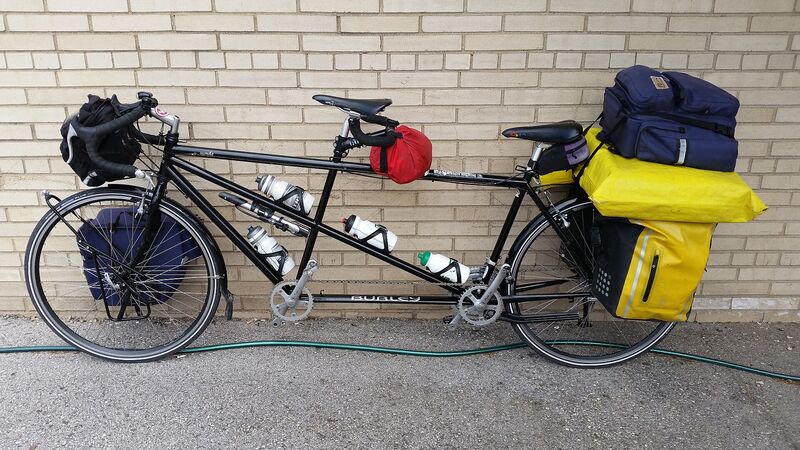
A tandem is roughly two and a half metres long and heavier than a solo bike. Neither fact matters once you are riding, and both matter a great deal when you want to ride somewhere other than from your own front door. Work out the logistics before you buy, because they decide how often the bike gets used.
Measure first
Length varies with frame size and wheel size, so measure the actual bike from the front of the front tyre to the back of the rear tyre, and weigh it if you can. If you have not bought it yet, ask the seller. Then measure the places it has to go: the car roof, the inside of the car with the seats folded, the shed, the hallway and any corner it has to turn on the way in.
On the car roof
The roof is where a lot of tandems travel. A standard roof-mounted cycle carrier is built around a solo bike’s wheelbase and will not reach, so you need a carrier made for tandems. These have a longer wheel tray, and some hold the bike by the front fork with the front wheel taken out. Pivoting designs let one person attach the fork first and then swing the rest of the bike up on to the roof, which saves two people lifting it overhead.
Check three numbers before you load up: the weight limit of your roof bars, the roof load limit in the car’s handbook, and the weight of the tandem plus its carrier. Remove anything that can work loose, such as pumps, bottles and bags. And remember the extra height when you meet a car park barrier or your own garage door.
On the back of the car
Rear-mounted and towbar racks carry bikes sideways, and a tandem is wider than nearly any car. Overhang at the sides is a hazard to other road users, and the bike can hide your lights and number plate. Some owners take both wheels off to bring the frame closer to the width of the car, which helps, but a bare tandem frame is still a long object. Check the rack maker’s guidance and the rules on projecting loads before you rely on this method.
Inside the car or van
With both wheels out, the saddles lowered or removed and the handlebars turned, many tandems will slide into an estate car with the seats folded. It is the most secure way to travel and keeps the bike out of the weather. Protect the rear derailleur and the chainrings, pad the frame where it rests and put an old sheet under the oily parts. If you are hiring a van, check the load length: some will take a tandem whole.
Tandems that come apart or fold
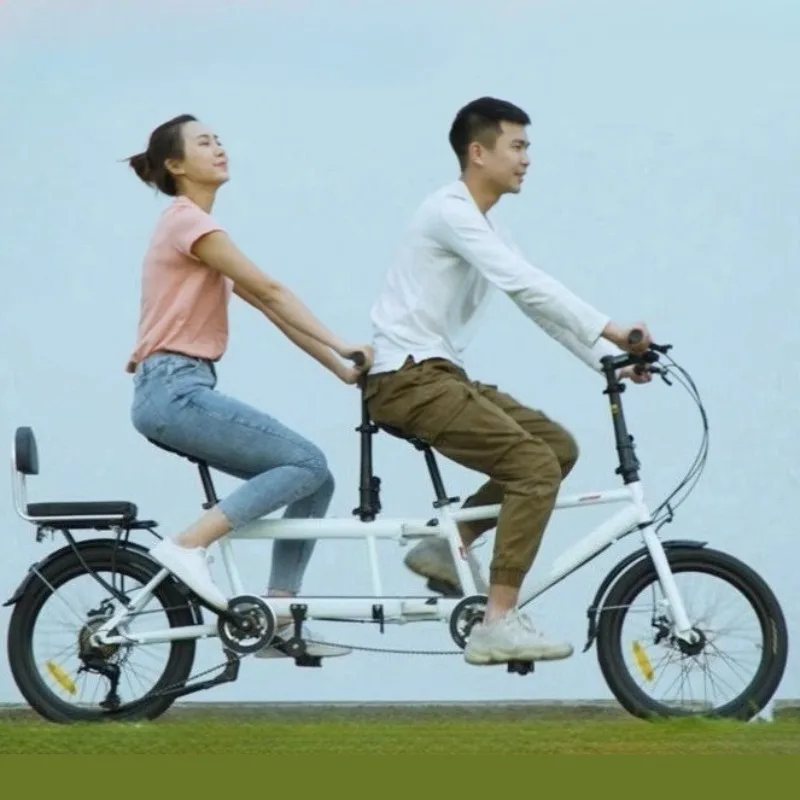
Some tandems are built to separate. Frames with couplings in the tubes split into sections that pack into cases, which makes flights and small cars realistic. Couplings add cost and are mostly found on specialist touring and travel tandems. There are also folding tandems, with a hinged frame and often smaller wheels, aimed at leisure riding and compact storage.
Either kind is worth a look if transport is going to be a regular part of your riding. Ask the seller for the packed or folded dimensions, and how long the job takes, before you assume it solves the problem.
Trains
This is the awkward one. Each train operator sets its own cycle policy, and operators that carry solo bikes do not necessarily accept tandems, or accept them only on certain services. Do not assume. Check the policy of every operator on your route before you book, reserve a space where reservations exist, and have a plan for getting home if a train is replaced by a bus.
Ferries and flights
Ferries are generally straightforward, but tell the operator it is a tandem when you book. Flying is harder. Airlines set size and weight limits for boxed bikes, and a whole tandem can exceed them, so ask the airline before you buy tickets. This is the trip where a coupled frame earns its keep.
Storing it at home
A tandem needs a clear, straight run of wall. A shed or garage is ideal if the door and the turning space allow for the length. Indoors, think about the route as well as the resting place: a tandem does not go round a tight hallway corner or up a dog-leg staircase without a fight.
Wall hooks that hold the bike horizontally save floor space. Standing it on end only works under a high ceiling, so measure before you plan on it. Wherever it lives, lock the frame to something solid. A tandem is hard to replace quickly, whatever it cost.
The low-effort alternatives
- Ride from home, and plan loops instead of drives.
- Hire a tandem at your destination rather than taking your own.
- Travel with another tandem pair and share a van.
If transport is going to be a regular headache, let it steer what you buy. Choosing your first tandem covers the other trade-offs, and the second-hand market is one place to look for a coupled or folding tandem.
On our list at the last check: 6 tandems, priced from £427.98 to £3,108.43. All of them come from independent marketplace sellers on AliExpress rather than UK bike shops. They are generic, factory-made machines, so check the seller’s rating, delivery time and returns policy before you buy. See the tandems in stock, or read how each one is checked.