Buying
How to choose your first tandem
A tandem has to suit two people at once, and most shops do not keep one to try. These are the things to get right, in rough order of importance.
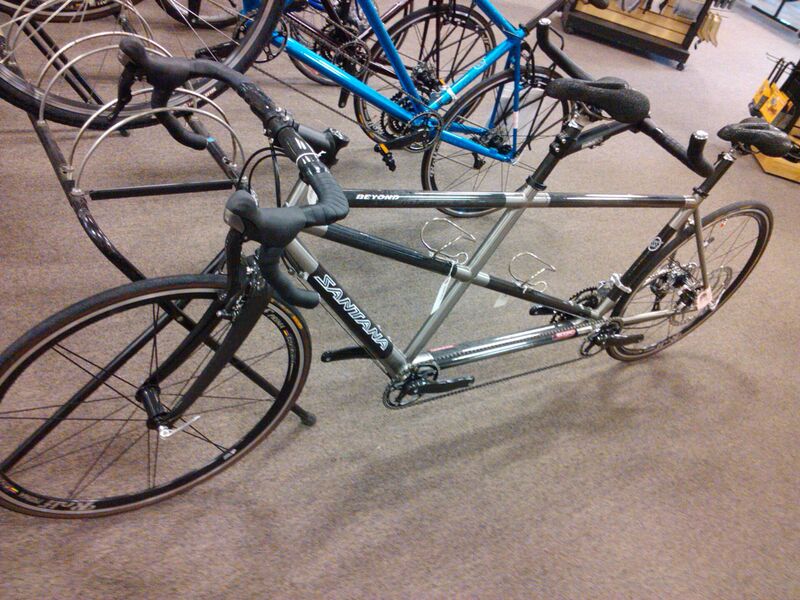
Choosing a tandem is harder than choosing a solo bike for one simple reason: it has to suit two people at once. Most bike shops do not keep one on the floor, so you may well be deciding from photos and measurements, with a short test ride if you are lucky. These are the things to get right, in rough order of importance.
Start with the riding you will actually do
Tandems come in the same broad families as solo bikes, and the tandem guide describes each one. For a first tandem the choice is usually simpler than it looks:
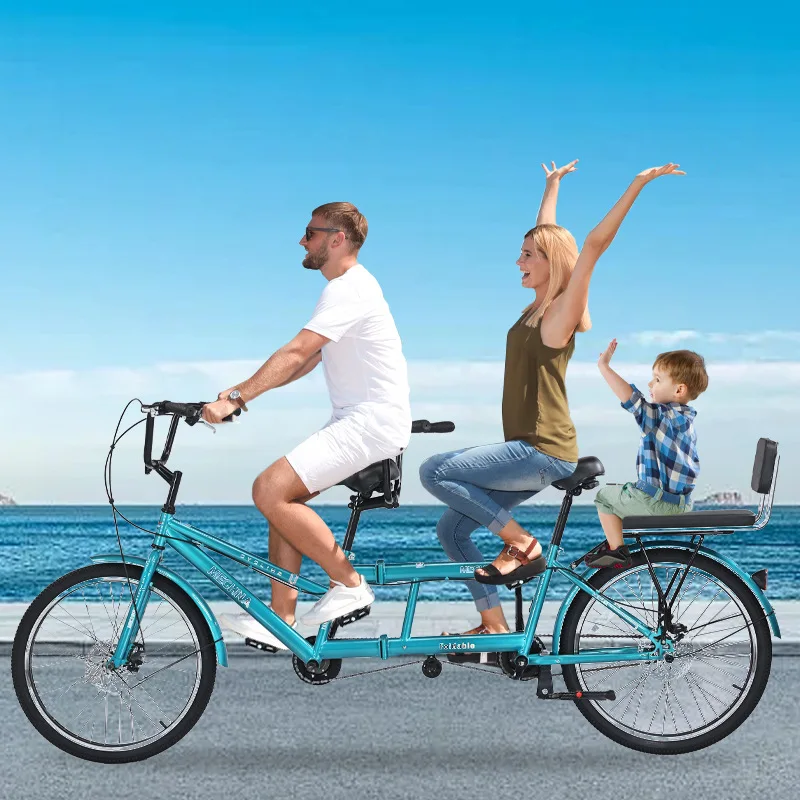
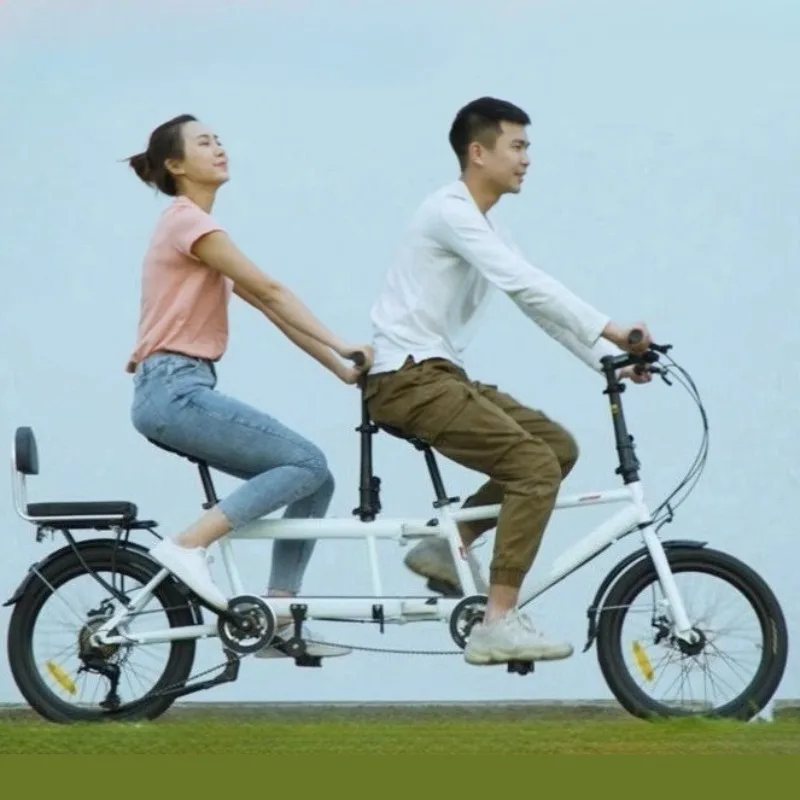
- Towpaths, cycle tracks and holidays: an upright, flat-bar leisure tandem. Comfortable, easy to get on and off, and forgiving for a new stoker.
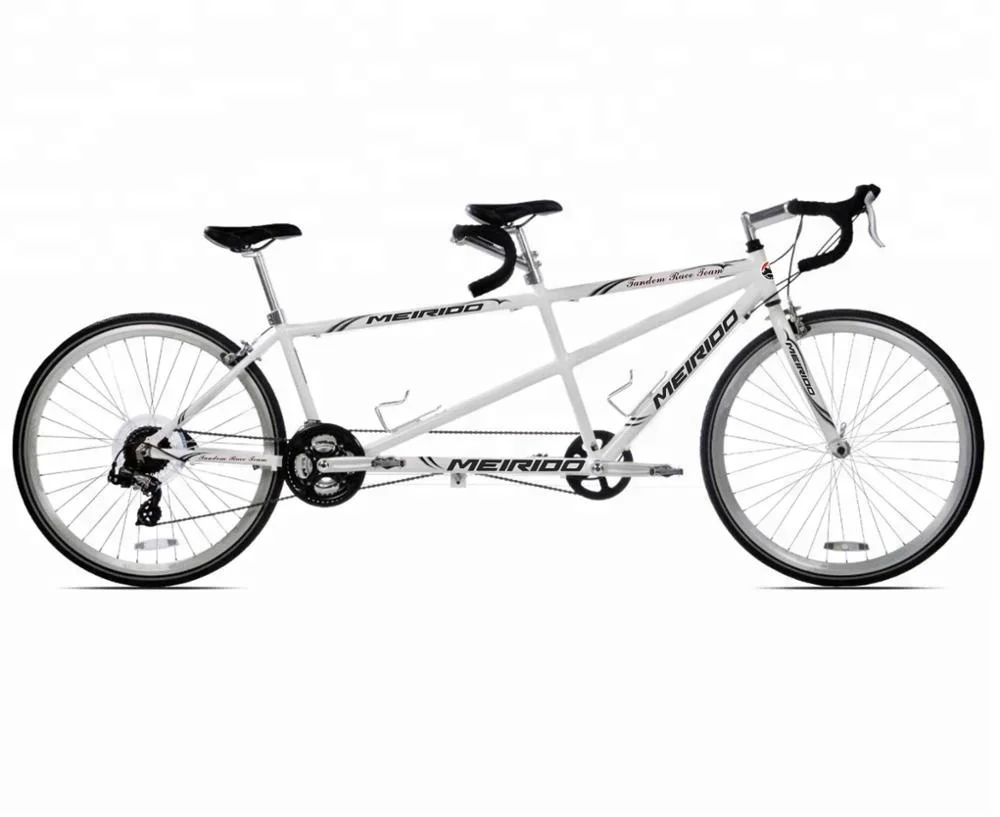
- Longer road rides: a drop-bar road tandem with narrower tyres and a stiffer frame.
- Multi-day trips with luggage: a touring tandem with rack mounts, wide tyres and strong wheels.
- Hilly home roads, or two riders of very different strength: think about an electric tandem. The motor takes the sting out of climbs, at a cost in weight and price. If you have never ridden with assistance, try a solo electric bike first to see what a motor does and does not do for you.
If you cannot decide, buy for the gentler rider’s idea of a good day out. A tandem that only one of you wants to ride does not get ridden.
Fit two riders, not one
A tandem frame has two sizes: one for the captain at the front and one for the stoker at the back. Sellers often quote a single number, or none, so ask for both seat tube lengths and the standover height at each position.
For the captain, fit works much as it does on a solo bike, with one extra requirement. You must be able to stand astride the bike with both feet flat on the ground, because you will be holding it up with the stoker on board.
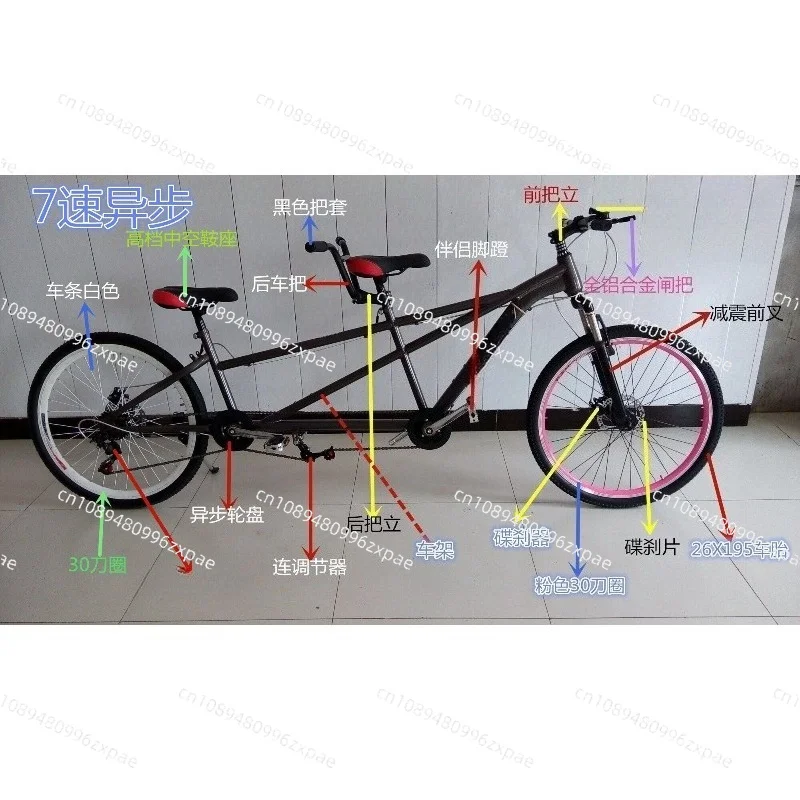
For the stoker, the measurement that matters most is the length of the rear compartment: the distance from the stoker’s saddle to the stoker’s handlebars, which sit just behind the captain’s saddle. Too short, and the stoker rides with their face in the captain’s back and their knees crowding the bars. An adjustable-length stoker stem gives some room to tune this. Check too that the stoker’s seatpost has enough adjustment for the shortest person likely to ride there.
Whenever you can, sit on the bike together before you pay for it.
Brakes
A tandem carries two riders on two tyres and builds up speed quickly downhill, so good brakes are not optional. Disc brakes are now the usual choice and cope better with wet weather. Rim brakes can be perfectly adequate on a light leisure tandem ridden on gentle terrain, but on a long descent with two riders they put a lot of heat into the rims. Touring tandems sometimes carry a third brake to share the work on long hills.
Whatever the type, squeeze the levers hard on a test ride. If the tandem does not stop confidently with both of you on it, walk away.
Wheels and tyres
Wheels are where a cheap tandem is most likely to fall short. They carry roughly double the load of a solo bike’s wheels, so purpose-built tandem wheels have traditionally used more spokes and stronger rims: 36, 40 or even 48 spokes, where a solo bike might have 32 or fewer. A low spoke count on a budget tandem is a reason to ask questions.
Wider tyres help too. They carry the load at sensible pressures and take the edge off bumps the stoker cannot see coming. Check that the frame and mudguards leave room for them.
Gears
Tandems are quick on the flat, quick downhill and slow uphill. You want a wide spread of gears with a properly low bottom gear, because getting out of the saddle to heave over a rise is much harder for two riders than for one. Single-speed tandems exist and are fine for a flat seafront. Anywhere with hills, look for a wide-range derailleur setup or a hub gear with plenty of range.
What you get at the budget end
On our list at the last check: 6 tandems, priced from £427.98 to £3,108.43. All of them come from independent marketplace sellers on AliExpress rather than UK bike shops. They are generic, factory-made machines, so check the seller’s rating, delivery time and returns policy before you buy. See the tandems in stock, or read how each one is checked.
Tandems sold by marketplace sellers are generic, factory-made machines rather than specialist builds. That does not make them useless, and for occasional flat rides one can be an inexpensive way in. Go in with your eyes open. Read the listing for frame sizes, wheel size, spoke count and brake type, be prepared for some assembly and adjustment (or to pay a local bike shop to do it), and check the returns policy before ordering something two and a half metres long.
Specialist tandems from dedicated builders cost considerably more, and are usually bought from tandem dealers, direct from the maker or second-hand. If that is the route you are leaning towards, read what to check on a second-hand tandem first.
Before you commit
- Hire or borrow a tandem for a day. An afternoon tells you more than any specification sheet.
- Work out how you will store and transport it. Measure the shed, the hallway and the car.
- Agree who sits where, and learn the basics of captain and stoker roles.
- Go through the tandem buying checklist with the listing in front of you.