Riding together
Riding a tandem with a visually impaired or younger stoker
A tandem lets someone ride who could not, or should not, ride alone. When your stoker relies on you completely, the captain’s job is to be steady, predictable and talkative.
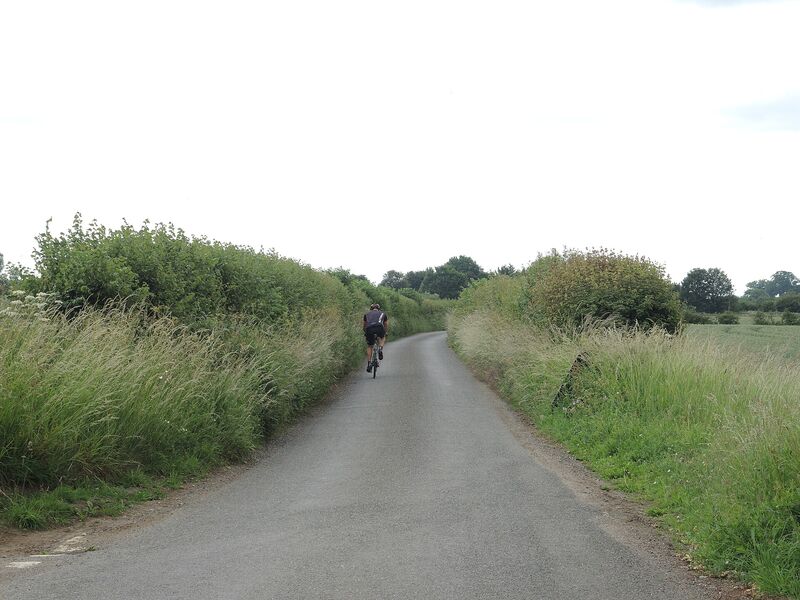
A tandem lets someone ride who could not, or should not, ride alone. Two groups get more from that than anyone: blind and partially sighted riders, and children too young to manage traffic or keep up with adults. The details differ, but the captain’s job is the same in both cases. Your stoker is relying on you completely, so you need to be steady, predictable and talkative.
Riding with a blind or partially sighted stoker
The tandem is the usual way for people with sight loss to cycle. It is how visually impaired athletes race in para-cycling too, with a sighted rider, called the pilot, on the front. Nothing about the bike needs to be special. An ordinary tandem that fits you both will do.
Before you set off
Ask first. Sight loss varies enormously, and your stoker knows what they can see, what they want described and how they like to be guided. Some rode solo for years before their sight changed and know more about bikes than you do.
Let them explore the bike by hand: saddle, bars, pedals and the top tube they will step over. Set the saddle height properly and say which side you will both get on from. Then agree your words. The usual calls are in the tandem guide, and with a stoker who cannot see the road it is worth adding a few more:
Left / rightA turn or a bend is coming. Lean with the bike.
SlowingBrakes going on, but we are not stopping.
Up / downThe road is about to climb or drop.
I’ve got itWe have stopped and I am holding the bike. Stay on, or step off on the side I name.
On the road
Call things early and in the same words every time. Describe more than the hazards: the view, the hill ahead, the dog in the field, the café you are about to pass. That running commentary is a large part of the ride for someone who cannot see it.
Ride more smoothly than you would alone. Avoid sharp swerves, brake progressively, and give a warning before you stand up, sit down or reach for a bottle. At a stop, say that you have the bike before your stoker moves, tell them what is beside them (kerb, verge or traffic) and never walk away from the bike without saying so.
Finding a pilot or a stoker
Around the UK there are tandem groups that pair sighted volunteer pilots with visually impaired riders, and some charities lend tandems. Sight loss charities, local cycling clubs and the Tandem Club are sensible places to ask what exists near you.
Riding with a younger stoker
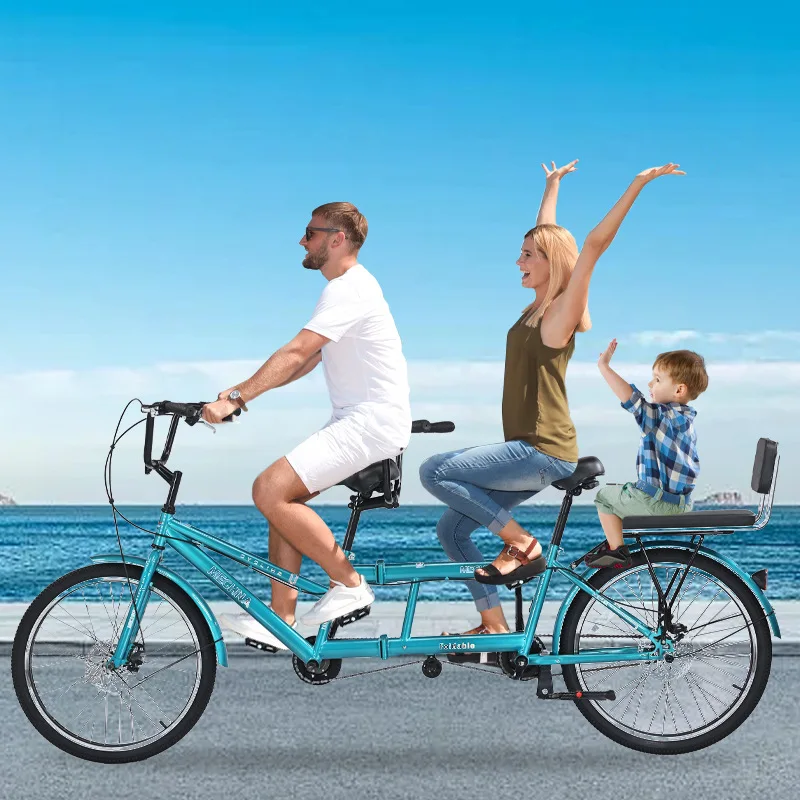
A child on the back of a tandem can cover distances they could not manage on their own bike, on roads they could not safely handle alone, and they are within talking distance the whole way.
Getting the fit right
The limit is reach, not age. A child needs to sit securely on the saddle, hold the bars and reach the pedals through the whole stroke. There are three common ways to make that work:
- A child-back tandem, built with a small rear frame so that a child fits as they are.
- Kiddy cranks: an extra bottom bracket and pair of cranks clamped higher up the stoker’s seat tube and linked to the drivetrain by a short chain, which brings the pedals up to the child. The kit comes off again when they grow.
- Crank shorteners, which bolt on to the existing cranks and shorten the pedal stroke for a child who nearly fits.
Remember that the cranks are linked. When you pedal, their legs go round too, so their feet have to stay on the pedals. Toe straps or similar foot retention help with small feet, and so does a firm rule about never taking feet off while the bike is moving. Set their handlebars where they can grip comfortably, and make sure their helmet fits properly.
Keeping it fun
A child who is doing less of the work than you can be cold while you are warm, so pack an extra layer. Keep early rides short and give them a destination the child cares about: a playground, a café, somewhere with ducks. Stop before they have had enough rather than after.
Give them jobs. A young stoker can ring the bell, signal turns, spot landmarks and be in charge of the snacks. Use the same calls you would with an adult, and expect to repeat them. Children also wriggle, turn round and wave at things, and you will feel all of it through the handlebars, so leave yourself more room than usual.
As they grow, the tandem keeps working long after a child seat has been outgrown, and it lets them learn how the road works while you handle the steering and the brakes. When they are ready for a bike of their own, we list kids’ bikes too.
The same rules for both
- Practise starting and stopping somewhere quiet before the first real ride. The routine is in our piece on captain and stoker roles.
- Choose traffic-free paths or quiet lanes to begin with.
- Say everything out loud, in the same words every time.
- Let the stoker decide how long the ride is.
If you are looking for a bike for this kind of riding, an upright leisure tandem with a low step-over at the back is the easiest thing for a nervous or small stoker to get on and off. Choosing your first tandem covers sizing in more detail, and the tandems on our list are in the tandem guide.